
What We Are Made Of
A Letter from the Director
There is a story, carried by a Zapotec elder and retold in John Vaillant’s The Jaguar’s Children, in which Corn speaks. Corn says: “without us, there would be no humans. Without humans, there would be no corn. And if we ever became separated, we would each turn into something else—something smaller, forgetful of its own strength, unsure of what it is.”
I have been thinking about that prophecy all summer, while the government of the country I belong to has been quietly, legally, methodically pulling people apart from the things that make them who they are.
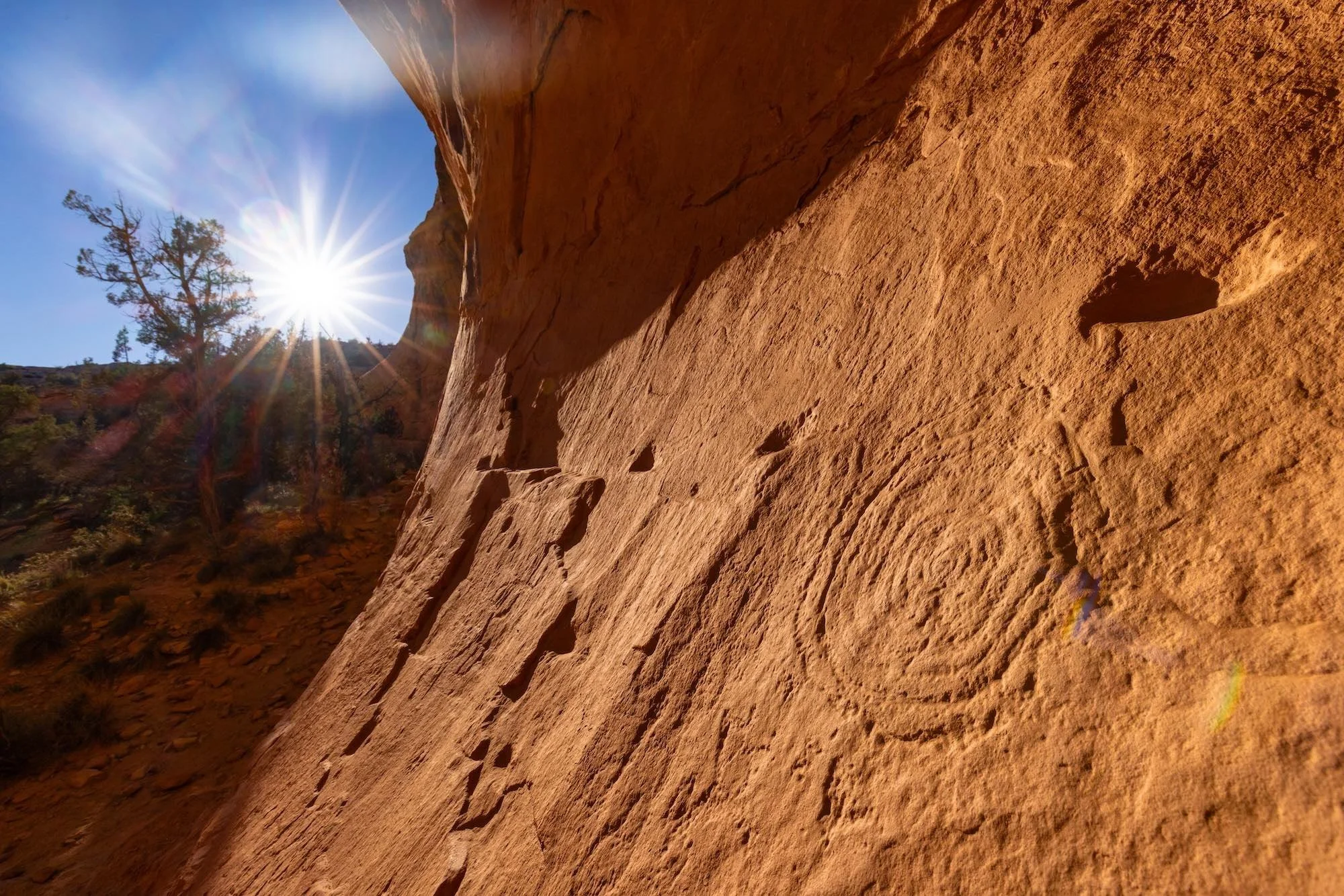
Photo by Chrissy Shammas
In July, Bears Ears National Monument was cut by 91 percent; Grand Staircase-Escalante by 90. The voice of the Bears Ears Inter-Tribal Commission was erased from co-management at BENM, and on September 1st, A’Nuche and a coalition of environmental groups filed suit. Tribes are the knowledge holders of corn, of buffalo, and of Bears Ears and Grand Staircase and must be heard. Together, nearly three million acres of red rock, ceremony, and ancestral memory lost protection in a single set of proclamations. Mining claims have already been staked inside the shrunken lines of Bears Ears, some staked years ago by companies betting on exactly this moment. At Chaco Canyon, a place where the walls still hold the handprints of people who mapped the stars nine centuries ago, the government spent two and a half years and 150 days of public hearings in 2023 building a protective buffer around it. This spring, its initial comment period gave the public seven days to comment on tearing it down.
I come from buffalo people—Red River Métis. And on the northern plains, my ancestral homelands, buffalo are being driven from lands they have known for millennia.
American Prairie’s bison, some grazing the same BLM allotments since 2005, were ordered removed by the end of September. On September 4, a federal judge blocked BLM from enforcing that order while American Prairie’s lawsuit proceeds. The order was not based on demonstrated harm to the land: the agency’s own 180-page environmental review found none, and a thirty-year study in the Proceedings of the National Academy of Sciences found the opposite: bison grazing increases grassland diversity over time. BLM justified the order through a new category, “production-oriented livestock,” and the determination, after two decades of saying otherwise, that conservation is no longer the highest use of our public lands, let alone a valued one. Nearly a thousand animals. Told, one more time, they don’t belong. But also, evidence of the power of protest, of a collective fight for justice, of shining a light on the defilement of what so many Americans, Native and not, hold sacred.
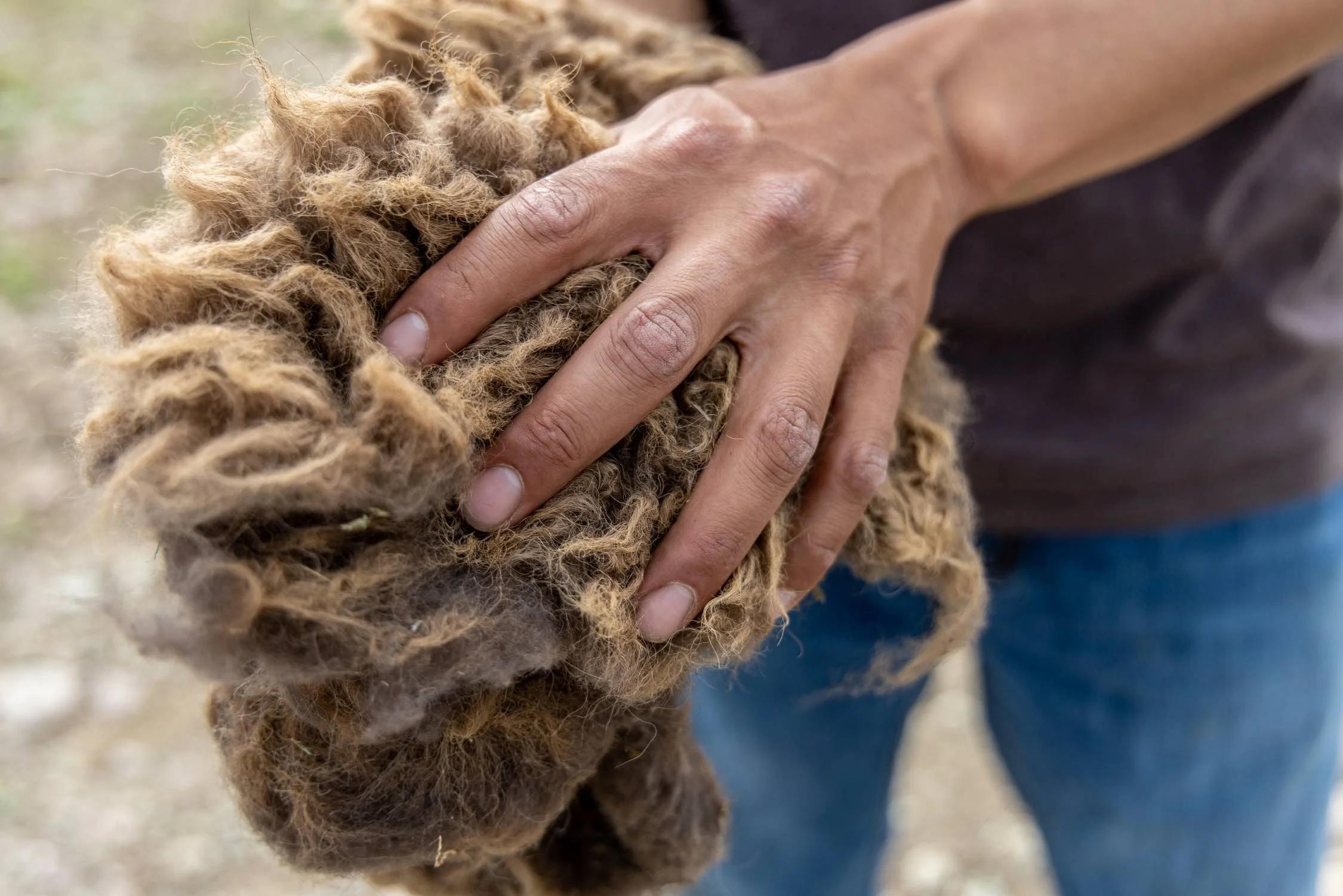
Photo by Louise Johns
I think of buffalo bones this way: something waiting in the ground for its shape to return. Our Elders teach us to look to the night sky, to see the buffalo running across the stars. I believe they, too, are just waiting for us to welcome them, to sing their spirits home.
Utah, New Mexico, Montana: Three sacred homelands that whispered and shouted the why, what, and how of what I am here to do; that sang me home.
This is also the ground INDIGENOUS LED's work is planted in: Blackfeet buffalo homelands, the Great Salt Lake, the canyons of Bears Ears and Chaco. When the government moves against these places, it isn't abstract. It's land I've walked, people we know by name, ancestors carried on the wind and water—our relatives, still here.
And here is the thing I want to say to every American, not only the ones who already agree with me: none of this is really about acreage, or grazing permits, or mineral rights, even though those are the words in the Federal Register. This is a crossroads. Do we still believe that who we are depends on what we're in relationship with—or have we quietly decided we can sever those relationships and remain ourselves?
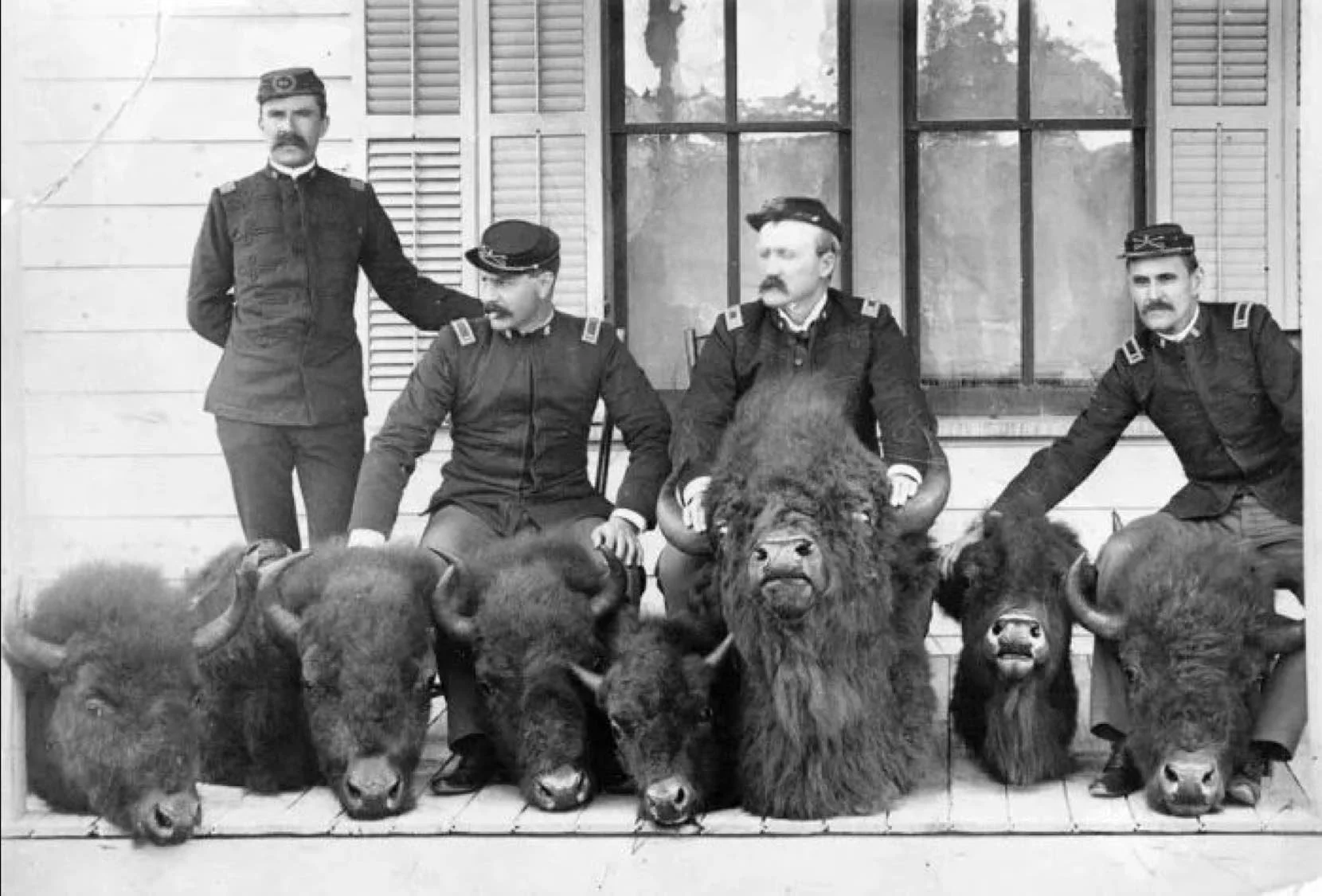
History says we can't. When buffalo were slaughtered by the millions in the 1870s and 80s, it wasn't incidental to a war against Plains Tribal Nations. It was the strategy. Remove the relative, and the people unravel. What we're watching now is a softer, more bureaucratic version of the same idea, written in regulatory language instead of fired from a rifle.
American Prairie's forty-page brief against BLM's new grazing rule lays out how the agency invented a term out of nothing—"production-oriented livestock"—to justify a decision it had already made. This goes beyond one rangeland in Montana: the same administration also moved to rescind a separate rule that had first recognized conservation itself as a legitimate use of public land. Ninety-eight percent of the public comments opposed that rescission too. The same pattern is now moving through the rule that decides what counts as historic or culturally important at all—a draft that would exclude mountains and rivers from protection outright and make it optional whether the public gets consulted before they're destroyed. This isn't a debate the public is losing. It's a decision a small number of people are making anyway.
But I come to this, too, as someone who has spent weeks at a time with no roof but sky, walking country until my own edges got harder to find—until the wind and my own breath thinned into a single note, and underneath it I could hear the prayers my ancestors never stopped singing. The land holds more than species. It cradles the part of us that has never really been separate from the world—something so much larger than us and them. Larger, even, than we.
We the people.
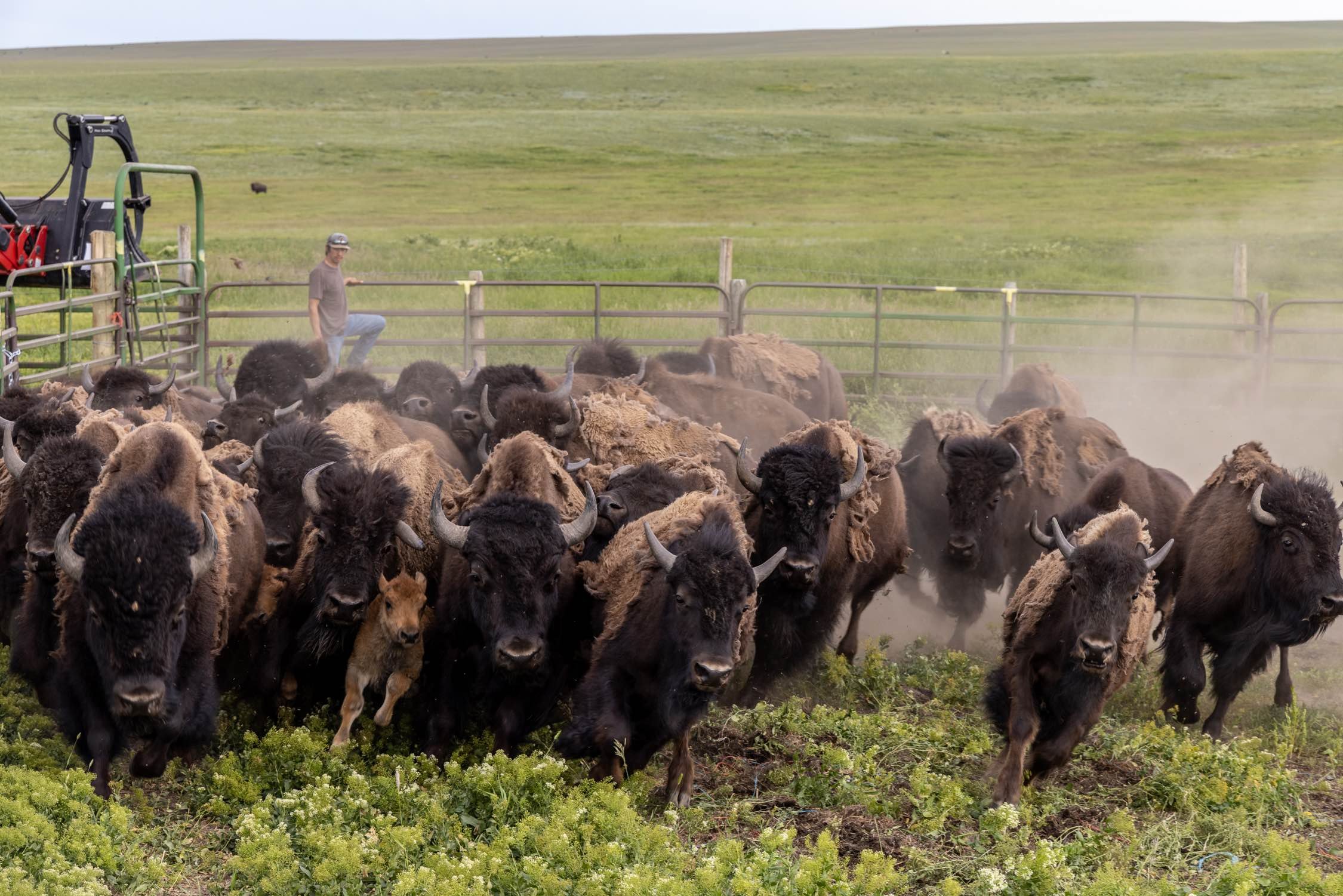
Photo by Louise Johns
In 2023, forty-nine buffalo ran off stock trailers onto Blackfeet sacred lands, free for the first time in more than a century. I was there. A tourist asked if that kind of traffic jam happened every day. It does not. It took more than a decade to get us there, and longer than that if you count the years since the guns went quiet and the grief did not.
I invite all of you into this work, this love story—one of the hardest, and most patient, kinds of love there is. Robin Wall Kimmerer's Braiding Sweetgrass became an unlikely bestseller because so many people are starving for that kind of love. She gave us the ache. She didn't have to hand us a map; the ache itself is the map, if we're willing to read it. She has also asked, more plainly than I ever could: what kind of ancestor do you want to be?
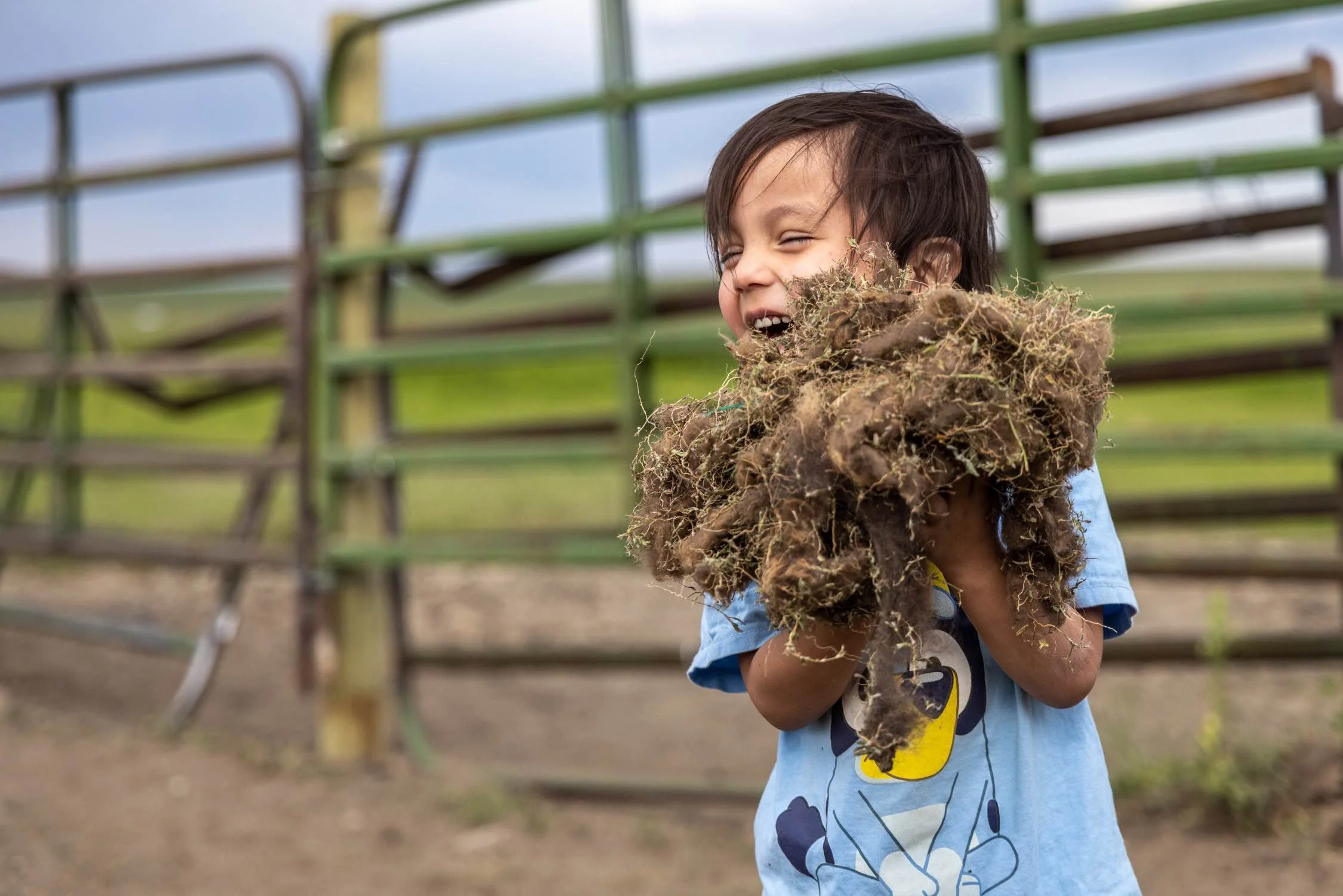
Photo by Louise Johns
That is the question underneath everything this letter has named: the monuments cut by ninety percent, the mining claims already staked, the attempt to drive bison off land they've grazed for twenty years, land that held buffalo long before there were permits to grant. What kind of nation, what kind of people, survive once they've forgotten how to be in relationship with land, with the animals who taught us how to live, with each other? I don't think the answer is written yet, or that what we're watching is a string of unlucky, unrelated skirmishes. It's a rupture, decided through procedural actions easy to miss: one rule at a time, while most of us are looking somewhere else.
I don't know what you'll do with this letter. I only know that Corn was right. If we separate, we become something else. I'd rather we remembered, together, what we already are.
In Relationship,
—Cristina
P.S. Right now, the federal government is rewriting the rule that requires it to even ask before damaging a sacred or historic place, the same rule that gave Chaco its seven-day comment window instead of the hearings it deserved. It hasn't been made public yet. When it is, we'll have thirty days. I'll let you know the day it opens.
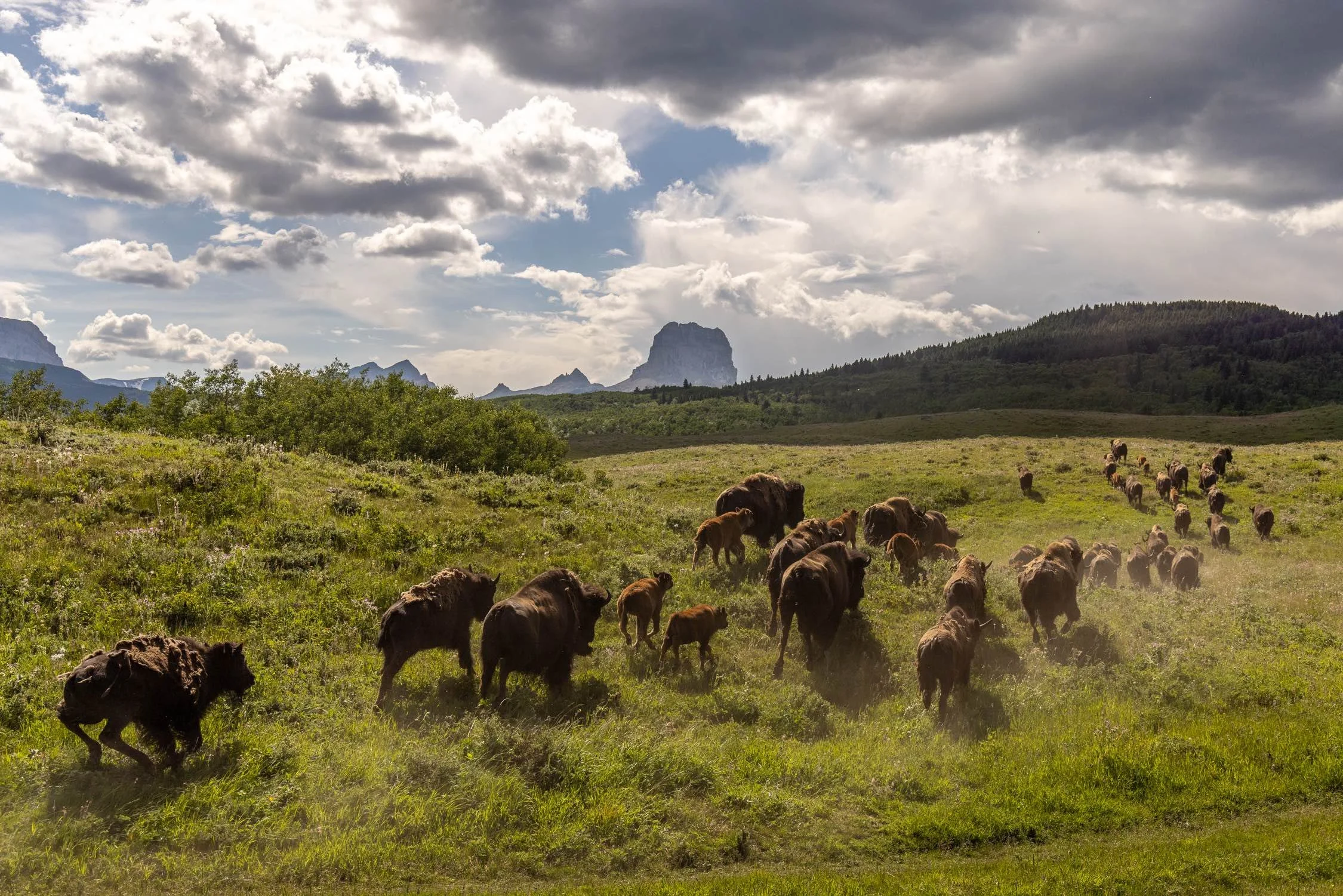
Photo by Louise Johns